Shifting the Curve takes on Sweden's gang crisis by identifying at-risk children and building personalised action plans that draw on everything from sports clubs to corporate internships.
EARLY INTERVENTION AGAINST GANG RECRUITMENT
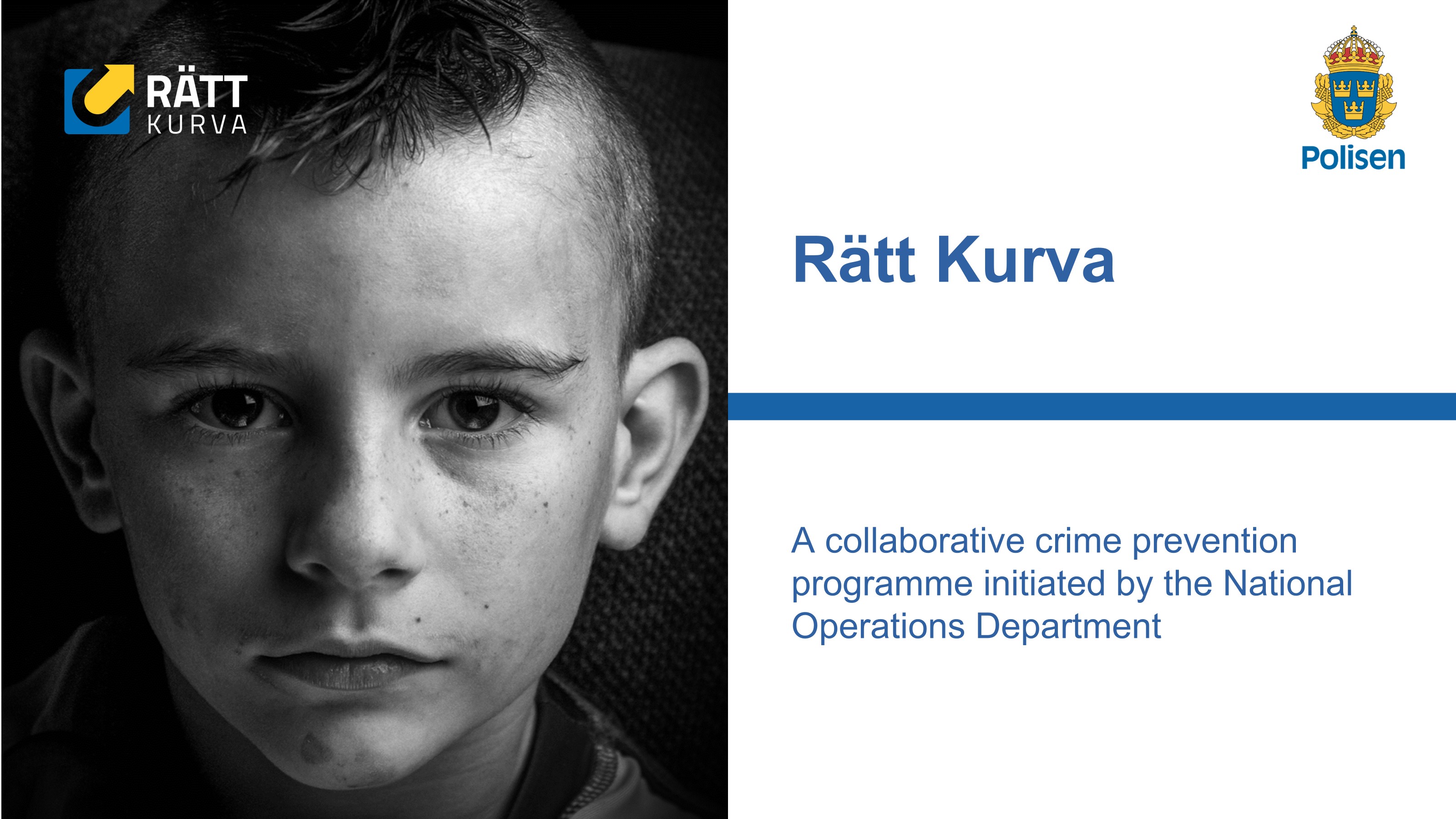
Sweden is facing a severe gang crime crisis, and criminal networks are recruiting children as young as 8. Shifting the Curve starts where the problem starts. Run jointly by the municipality, local police, and non-profit Beredskapslyftet, the programme identifies children aged 8 to 15 who are already engaged in or at serious risk of deeper criminal recruitment. Social services conduct an assessment before a voluntary, tailored offer is made to the child and their family. A dedicated caseworker then builds an individual action plan built around the child's talents, school stability, and social environment.
ONE CHILD. EVERY RESOURCE THE CITY HAS.
What makes Shifting the Curve distinctive is how it mobilises an entire society around a single child. Police intelligence drives identification. Social services provide welfare expertise. Beredskapslyftet bridges the private sector and civil society to fill the gaps public authorities cannot. The result is a genuinely individual plan: music lessons, sports club memberships, summer jobs, language courses, mentors, and internships, funded by corporate donations and woven into each child's safety plan. Adapted from the German programme Kurve kriegen, in which 40% of participants stopped criminal activity entirely, the model is deliberately built for replication across Sweden.
FAMILIES CHANGED, CRIME RATES DOWN
Since its 2023 pilot launch in Göteborg, Linköping, and Södertälje, Shifting the Curve has supported 30 to 40 families, with measurable results: children and families have secured first jobs and internships, family dynamics have improved, and police statistics show a positive effect on crime rates among participants. Some families report radical improvements in home life. A long-term academic evaluation by the University of Gothenburg is tracking reoffending rates and school outcomes over time. Following investment from public and private actors, the programme is now scaling nationally, aiming to reach at least 25 municipalities and 250 children and their families by 2027.