By connecting reuse centres, repair services, and community engagement, Alytus is keeping valuable materials in circulation and out of landfill.
BUILDING A CULTURE OF REUSE
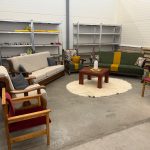
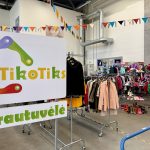
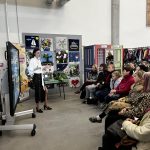
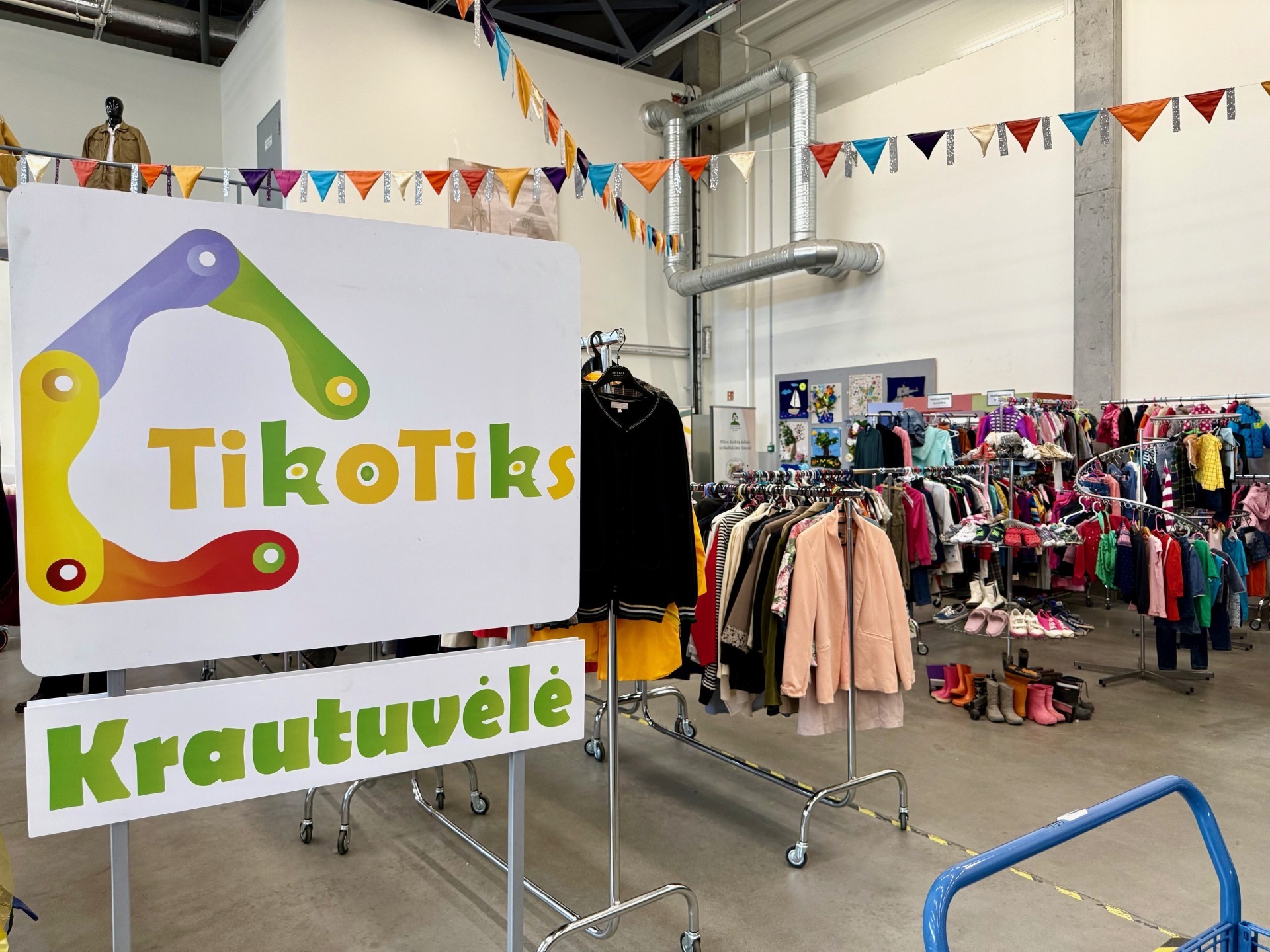
Since 2018, the Alytus region in Lithuania has developed a comprehensive reuse system that places prevention and reuse at the top of the waste hierarchy. Residents can bring unwanted items to 19 Mainukas reuse points located at sorting centres across the region and take home up to five items free of charge. Goods requiring repair are transferred to TikoTiks, a dedicated facility where they are cleaned, refurbished, and either sold at affordable prices or donated. Environmental education programmes help promote responsible consumption and circular practices.
GIVING MATERIALS A SECOND LIFE
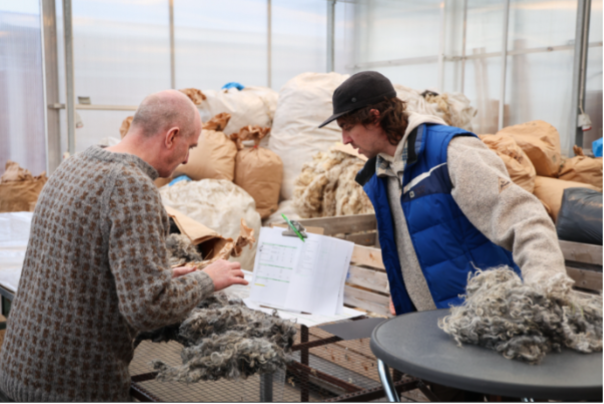
The system goes beyond traditional second-hand initiatives by creating a fully integrated reuse ecosystem. Alongside the network of Mainukas centres and the TikoTiks repair hub, a separate textile collection introduced in 2021 enables clothing to be reused, repaired, or transformed into new products through a dedicated sewing workshop. In 2025, the initiative expanded further with upholstered furniture refurbishment and a construction material exchange. Together, these activities demonstrate how municipalities can embed circular economy principles into everyday waste management.
CREATING BENEFITS FOR PEOPLE AND THE PLANET
The impact of the system has grown rapidly, with reused materials increasing from 76 tonnes in 2020 to 800 tonnes in 2024. Since 2020, the initiative has prevented 229 tonnes of greenhouse gas emissions and helped residents avoid almost €1 million in purchasing costs. At the same time, reuse activities create local employment and encourage lasting changes in consumption habits. As European circular economy ambitions continue to grow, Alytus offers a practical and scalable model for municipalities seeking to reduce waste and strengthen local communities.