Üsküdar 2050 reimagines how a major Istanbul district plans its future, combining citizen input, digital mapping, and evidence-based analysis into a transparent and replicable governance model.
PLANNING A DISTRICT OF 500,000 FROM THE GROUND UP
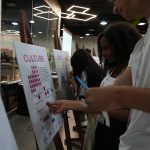
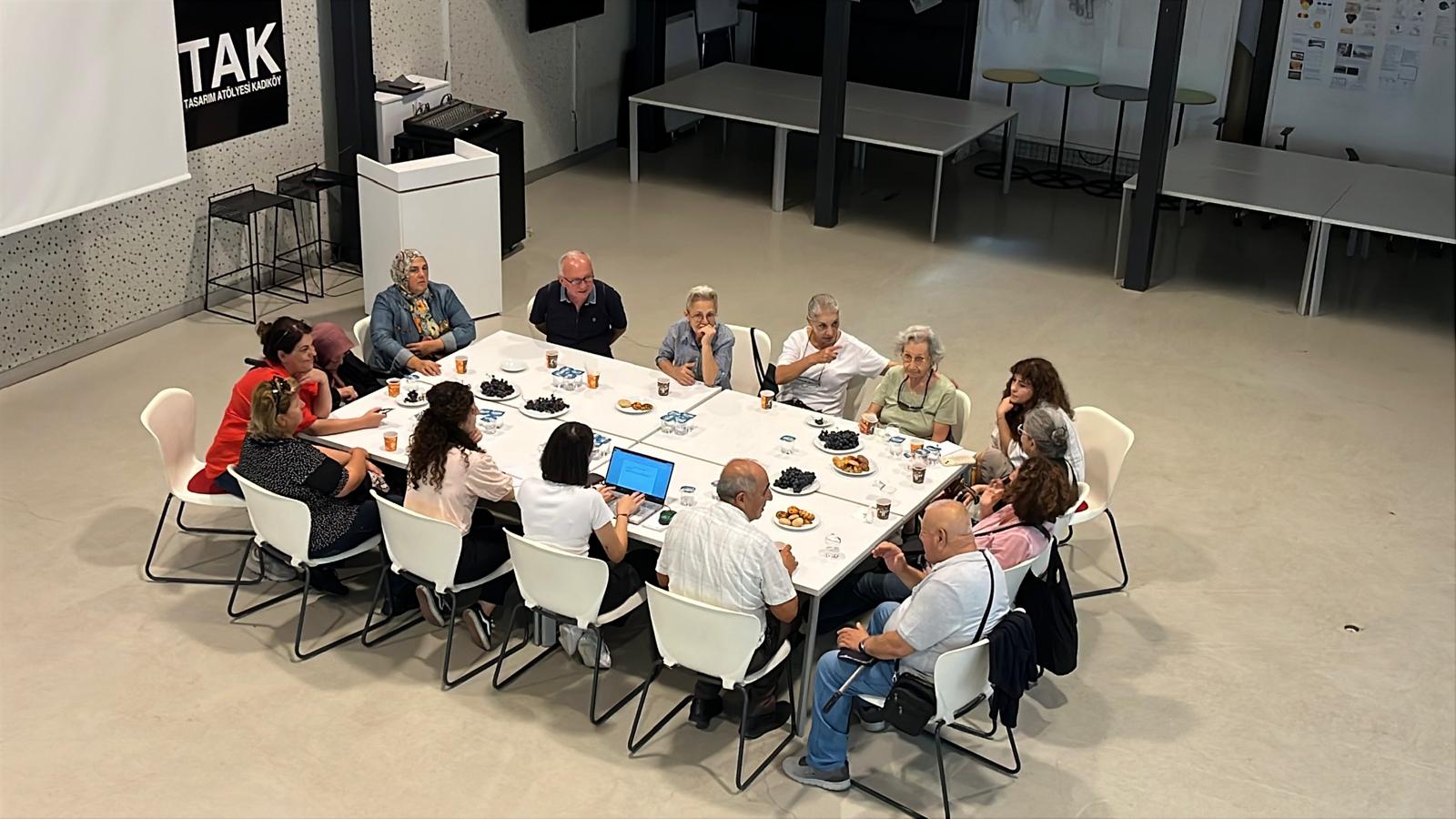
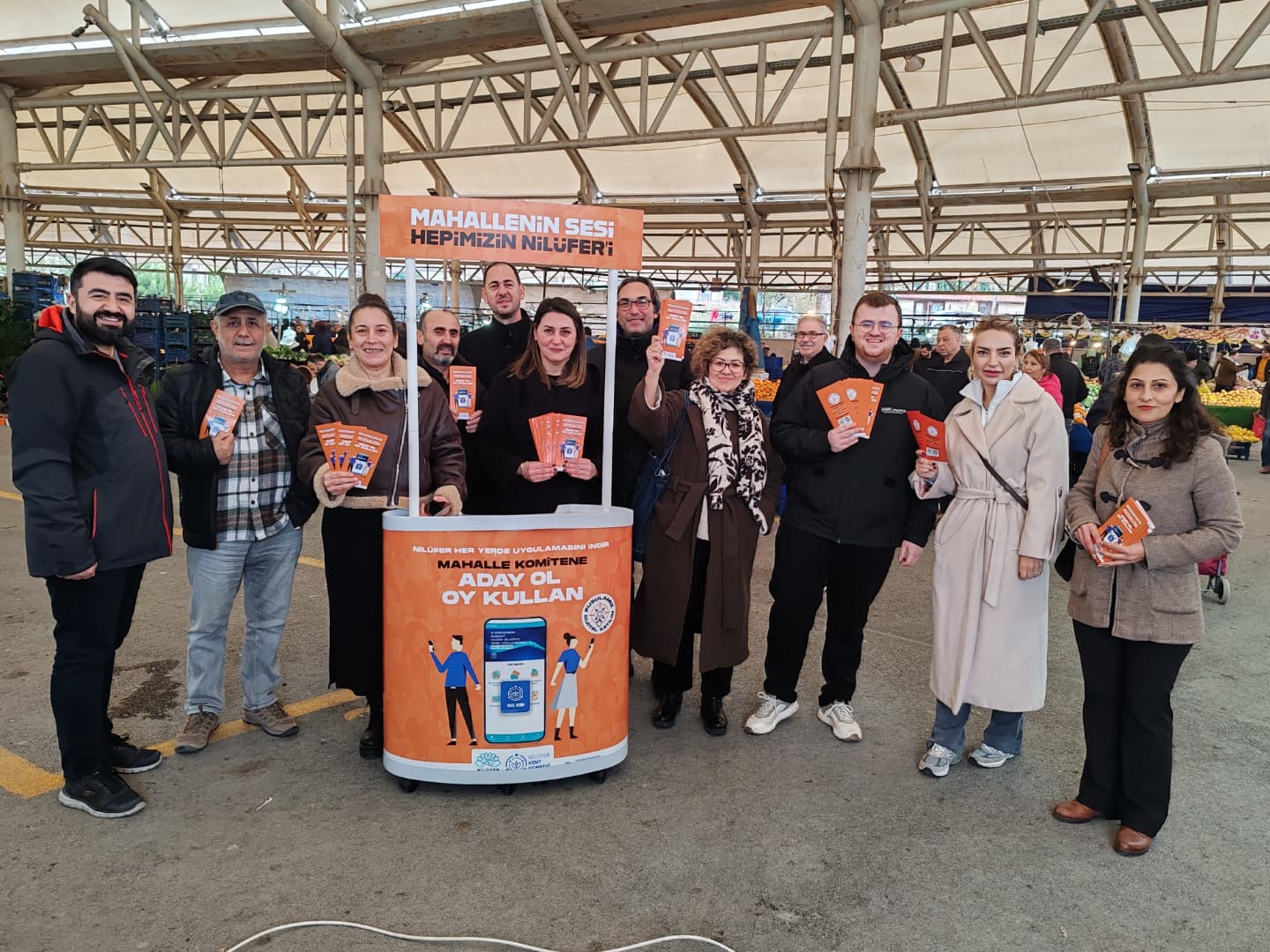
With over 500,000 residents, 33 neighbourhoods, and a constant flow of workers, students, and visitors, Üsküdar could not be planned through conventional top-down methods alone. Vision Üsküdar 2050 was designed to build a shared spatial vision by combining institutional data, public participation, and digital tools. The municipality carried out a structured process including baseline analysis, thematic meetings, neighbourhood workshops, and dedicated gatherings for children, youth, and women, alongside an open digital participation platform that allowed anyone connected to the district to contribute.
TOOLS THAT TURN EVERYDAY EXPERIENCE INTO PLANNING DATA
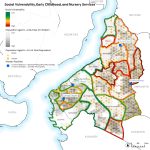
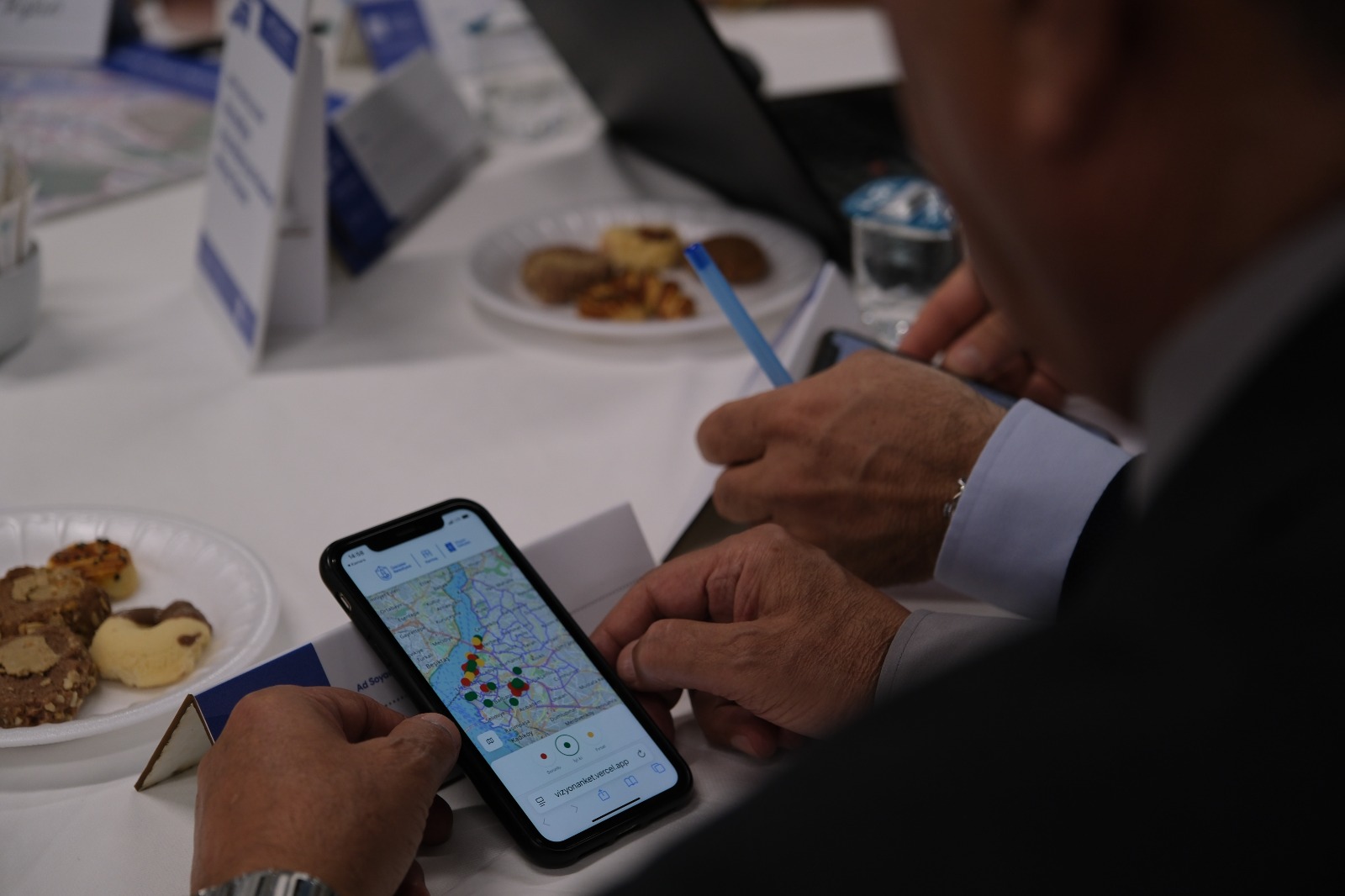
The project's innovation lies in how it captures and uses local knowledge. A spatial mapping tool allowed citizens to mark needs, opportunities, and problem areas directly on a map, while standardised hexagonal analysis supported evidence-based assessment across the district. Üsküdar was also redefined beyond its residential population to include those who work, study, visit, or pass through daily, recognising the district as a major social, cultural, and transport hub connecting land, sea, and rail networks. This broader lens shaped a more complete and representative planning process.
A SHARED VISION, BUILT TO LAST
The process engaged a stakeholder ecosystem of more than 5,000 actors, with around 600 people contributing directly and over 700 location-based inputs informing the final strategies. These contributions shaped Üsküdar's 2050 vision alongside short, medium, and long-term spatial priorities. Beyond a single planning exercise, the project institutionalised participatory methods within municipal practice and established a transparent, data-informed governance model designed for ongoing monitoring, feedback, and adaptation, offering a replicable approach for other municipalities.