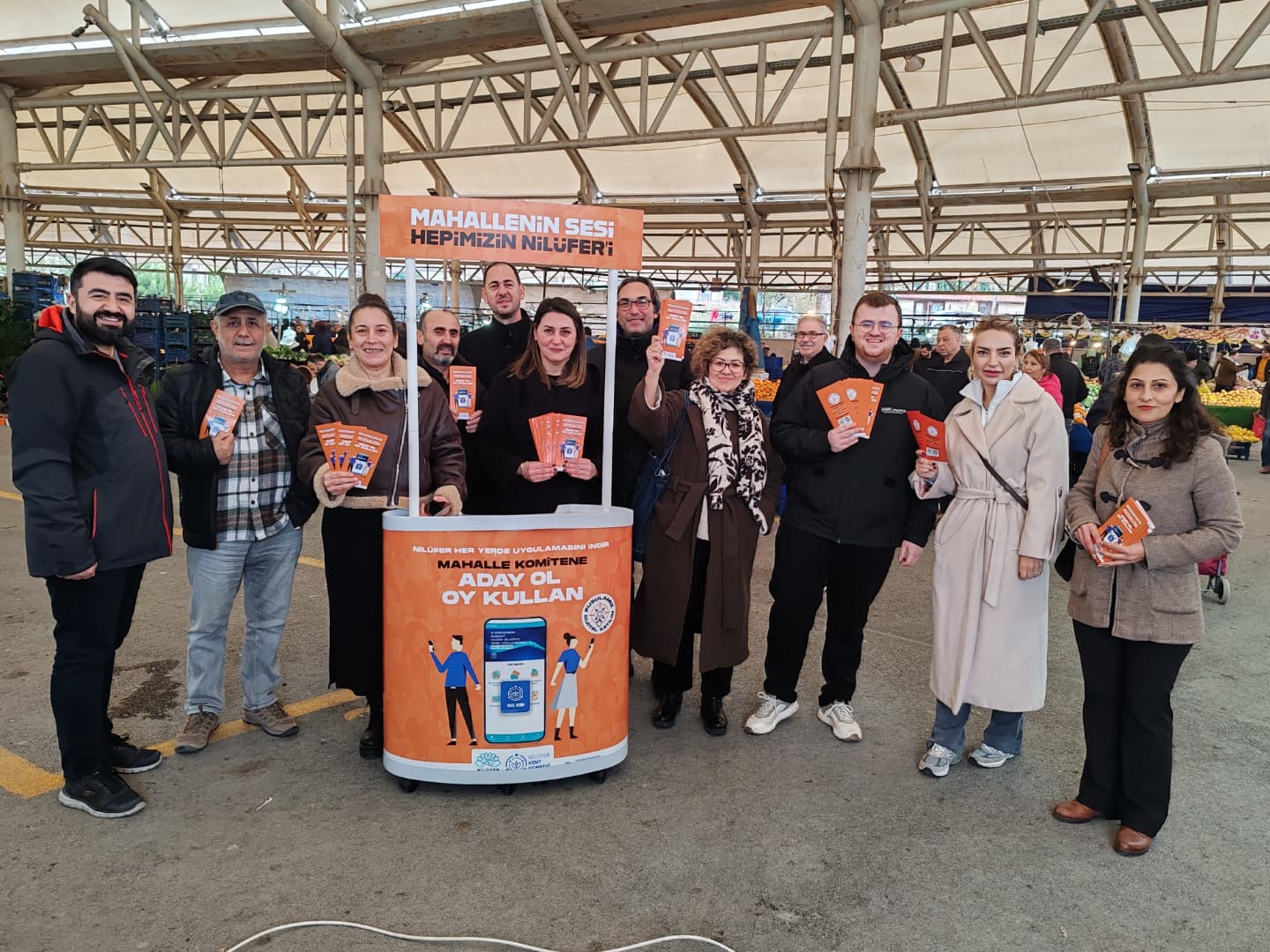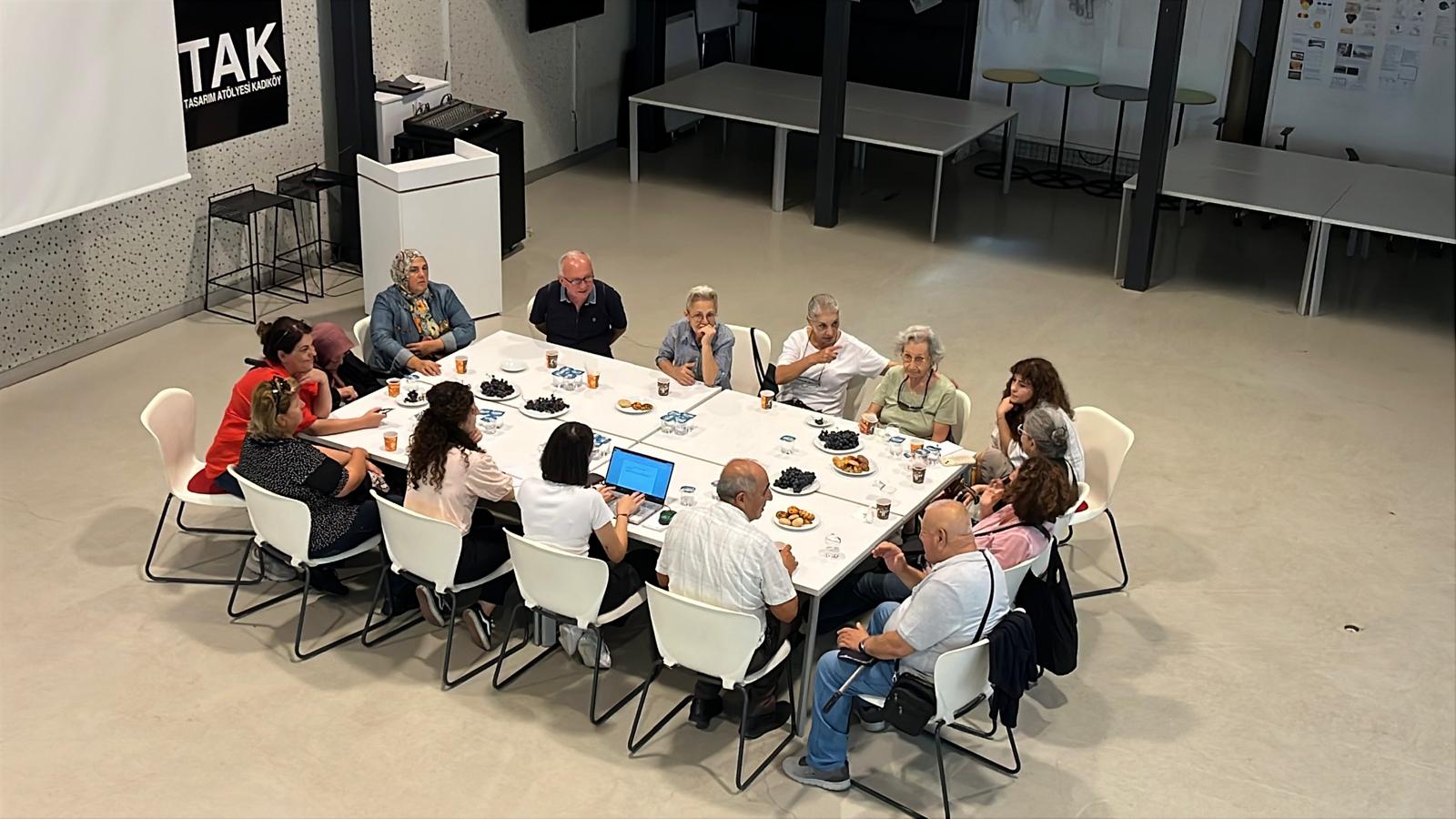
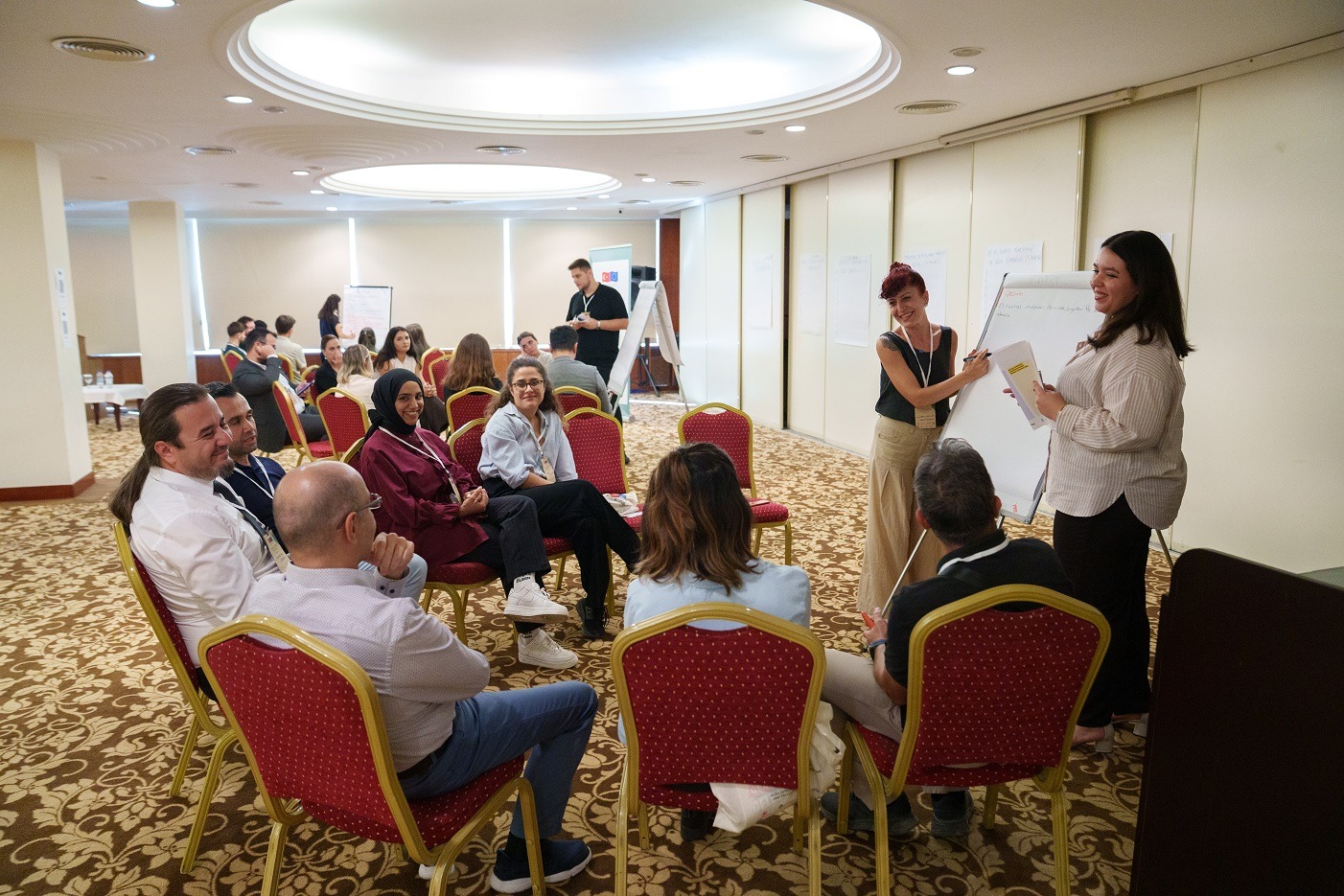
Konak's CLocalization project put citizens, including refugees, youth, and people with disabilities, at the centre of local climate planning, turning community input into 42 concrete policy actions.
LEAVING NO ONE OUT OF CLIMATE PLANNING
Climate adaptation strategies are too often developed by experts alone, without meaningful input from those most affected. Konak Municipality and the Social Climate Association set out to change this through CLocalization, an EU-funded project running from 2023 to 2025. Through capacity-building, workshops, and co-creation processes, the project reached a wide range of participants including women, youth, children, refugees, persons with disabilities, and private sector representatives, ensuring that local climate decision-making reflected the needs and experiences of the whole community.
CITIZENS AND YOUTH LEADING THE PROCESS
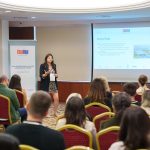
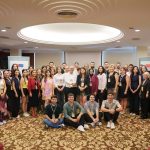
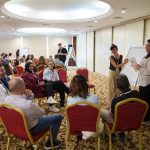
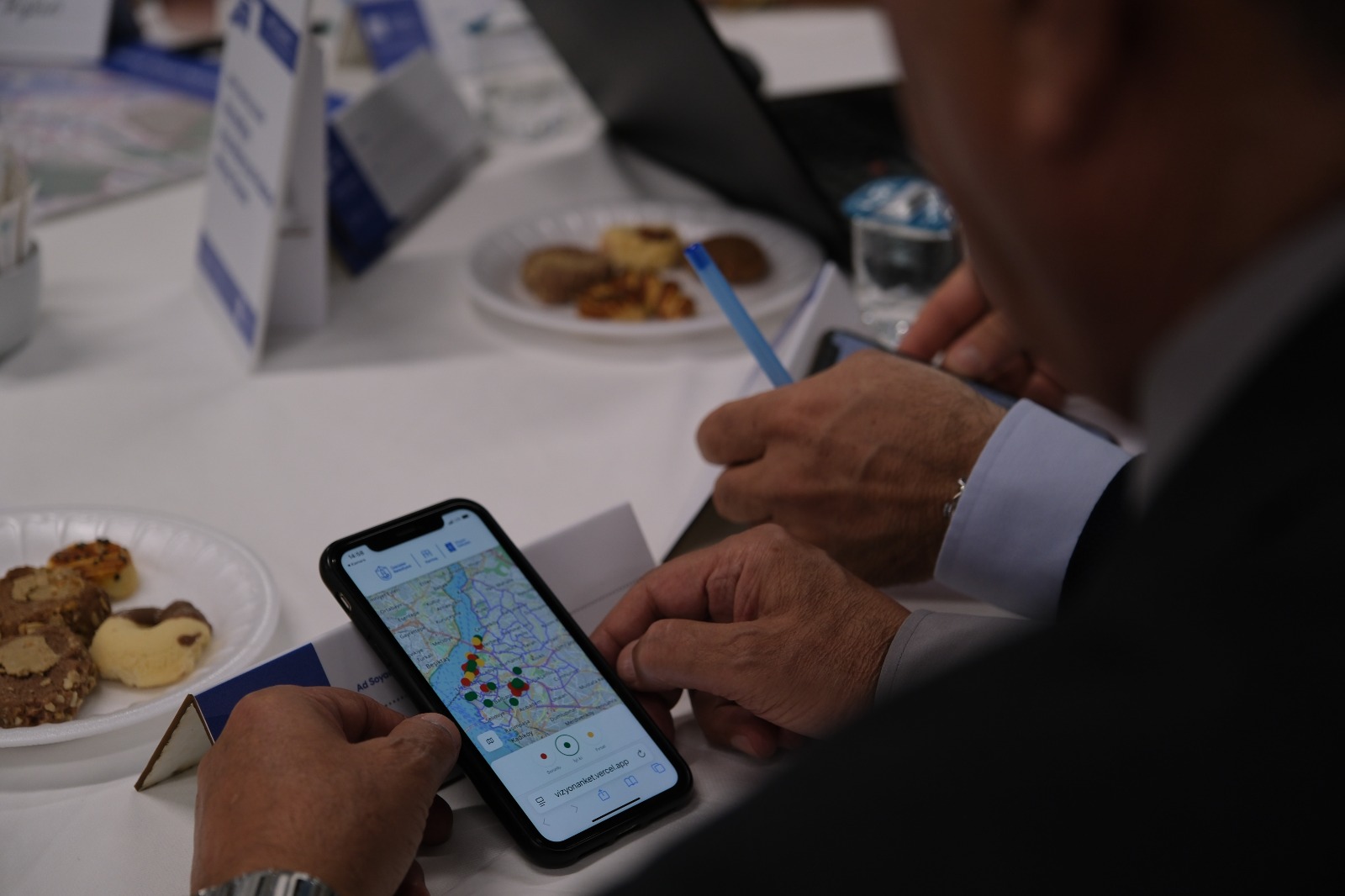
A defining feature of CLocalization is its youth-led training model. Seventeen young volunteer trainers, eleven of them women, were trained to facilitate community engagement sessions across diverse groups. Two major workshops brought the process to scale: a Horizontal Adaptation Workshop with 77 participants, 55 of them women, and a Private Sector Workshop with 48 participants. Combined with field activities and digital tools, these sessions enabled citizens to directly identify local climate challenges and propose solutions, making participation structured, inclusive, and genuinely impactful.
42 ACTIONS SHAPED BY THE COMMUNITY
Citizens' contributions were systematically integrated into the Konak Climate Adaptation Action Plan, which includes 42 concrete actions directly shaped by community input. The plan has informed Konak Municipality's official climate change adaptation policies and serves as a replicable model for other municipalities. By building local capacity through youth trainers and embedding participation into policy-making, CLocalization ensures that its impact extends well beyond the project period, leaving behind stronger institutions, greater civic awareness, and a community with real ownership over its climate future.