JustWork bridges the gap between people with disabilities and inclusive employers, combining digital matching and personalised support to open real pathways to employment in Cascais.
TALENT EXISTS. OPPORTUNITY DOESN'T ALWAYS.
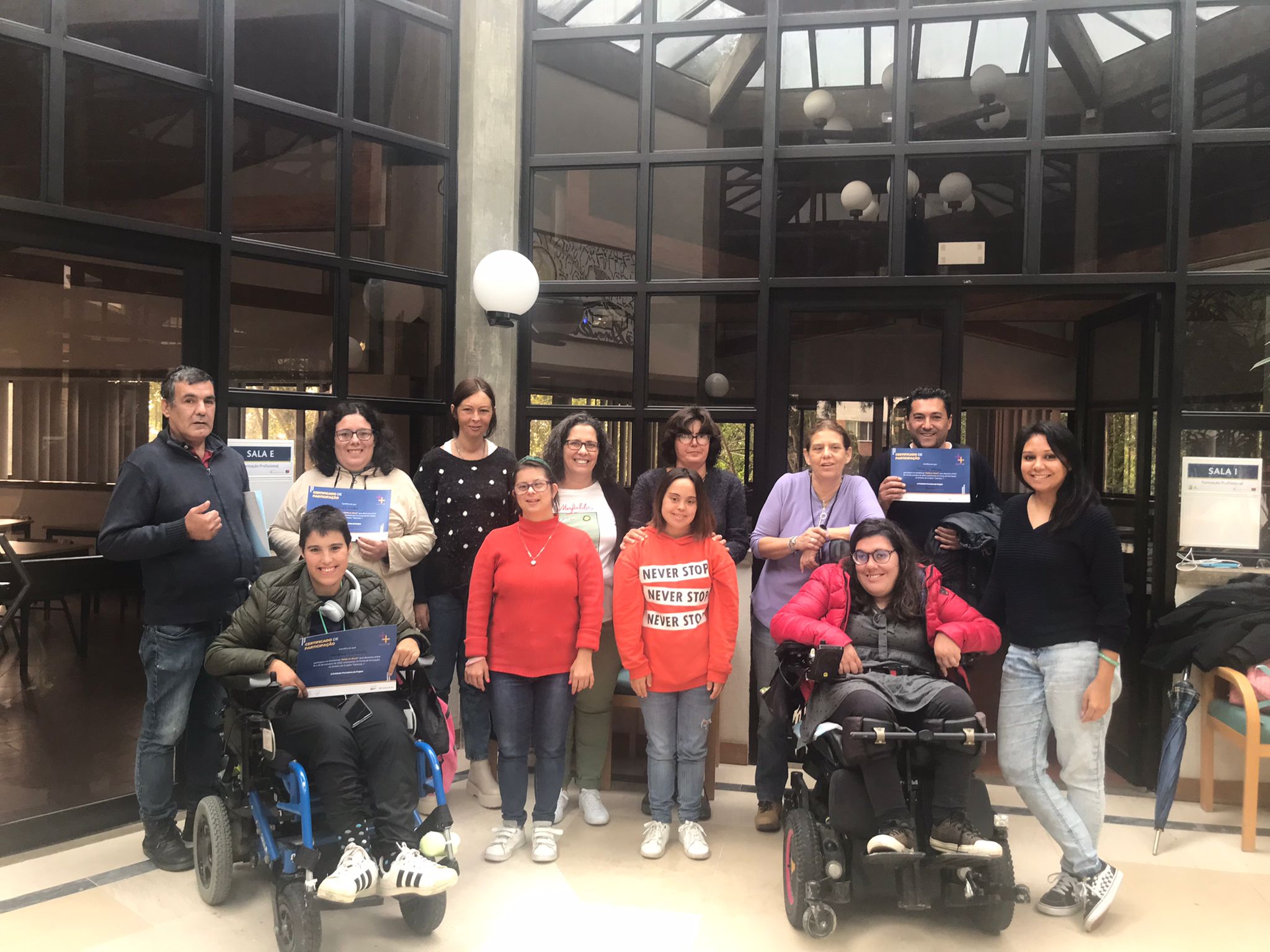
For many people with disabilities, the greatest barrier to employment is not a lack of talent but the absence of opportunity. Skills remain unseen, potential untapped, and motivation unheard. JustWork was created to change this. Launched in December 2023 by the Local Council for Inclusion in Cascais and managed by CERCICA, the platform connects people with diverse disabilities with companies willing to build more inclusive workplaces. It identifies candidates, maps their abilities and aspirations, and matches them with employers committed to inclusive recruitment, while providing training, guidance, and ongoing mentoring throughout the process.
DIGITAL TOOLS, HUMAN SUPPORT, MUNICIPAL LEADERSHIP
What sets JustWork apart is its ecosystem approach. Rather than isolated programmes, it combines digital matching tools with personalised mediation and employer engagement, addressing both sides of the labour market at once. Candidates receive preparation and support from the local employment office. Companies receive guidance on adapting their recruitment practices and creating genuinely welcoming workplaces. The municipality acts as a coordinator and catalyst, shifting the conversation around disability and employment from social assistance to economic participation. It is a model that works precisely because it brings everyone into the same process.
ONE CITY'S IDEA, FOUR CITIES' REALITY
Since 2024, JustWork has employed 28 candidates, with each placement strengthening their autonomy, confidence, and social participation. In 2026, the platform involves 105 candidates, 34 companies, and 17 specialised partner organisations. Driven by its success in Cascais, JustWork has expanded to Sintra, Oeiras, and Lisbon, attracting a growing network of candidates and employers. Currently the only project of its kind in Portugal, it demonstrates how local governments can play a decisive role in reducing inequality and ensuring that no one is left behind in the labour market.