CONCORDIA Moldova helps vulnerable young people move from the margins of society to the centre of community life, building the skills, confidence, and opportunities to become active citizens.
NO YOUNG PERSON LEFT BEHIND
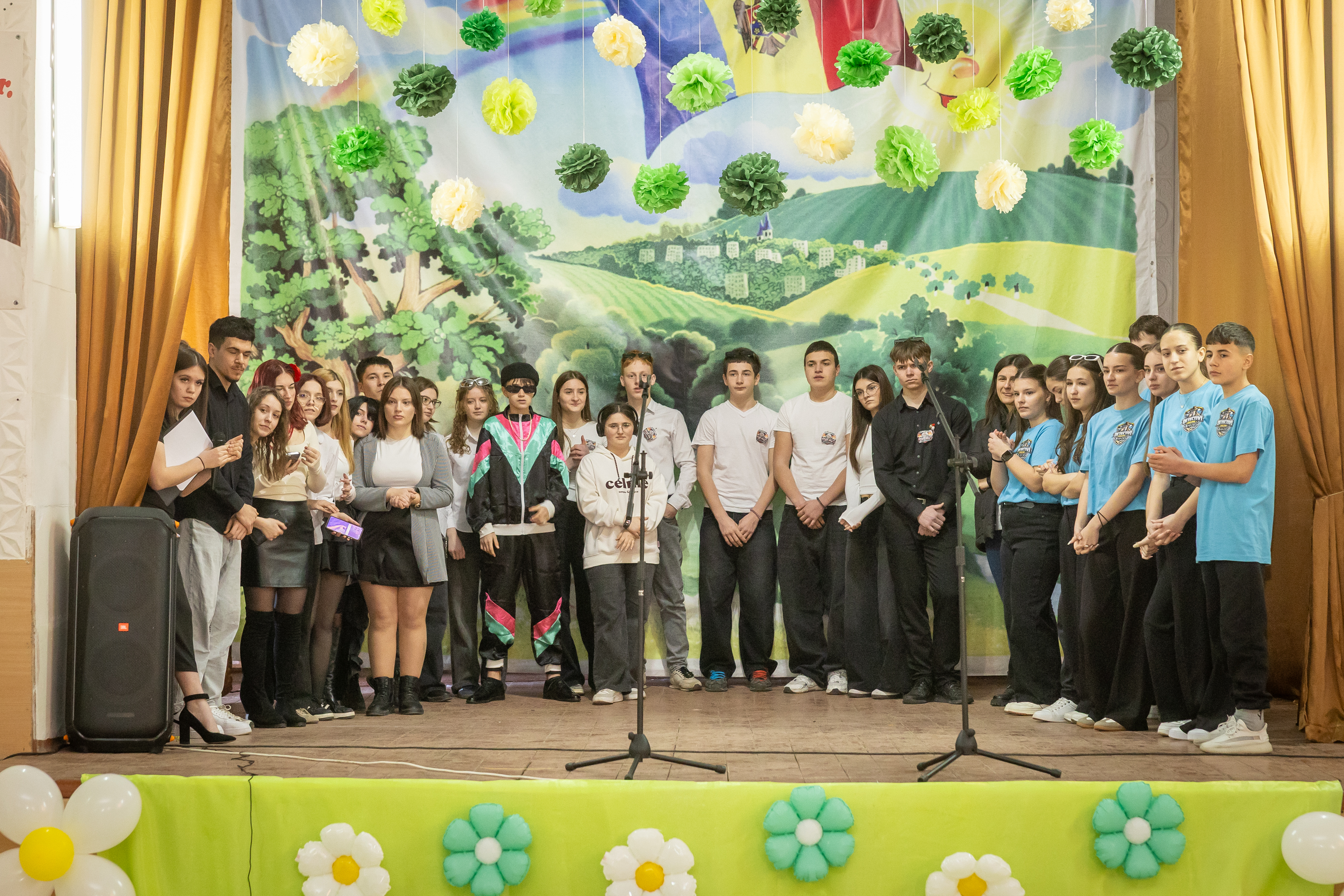
Many young people in Moldova, particularly those from vulnerable backgrounds, face significant barriers to education, employment, and participation in public life. In rural communities, opportunities are often limited, while social isolation and low civic engagement can make it even harder for young people to build independent futures. To address these challenges, CONCORDIA Moldova developed an integrated Youth Empowerment Model that combines Youth Clubs, career guidance, psychological support, life skills training, and digital literacy. Rather than treating young people as service recipients, the model encourages them to take an active role in shaping activities and community initiatives.
YOUNG PEOPLE AS COMMUNITY BUILDERS
What makes the model distinctive is its focus on participation and shared responsibility. Young people help design activities, identify local needs, and contribute to community projects, building confidence while developing practical civic skills. A particularly innovative element is intergenerational digital mentorship, where youth volunteers teach elderly people how to use digital tools and access online services. By reversing traditional roles, the programme strengthens mutual trust, bridges generational divides, and demonstrates how young people can make meaningful contributions to their communities. The model is low-cost, locally adaptable, and easily replicated in different settings.
STRONGER COMMUNITIES, STRONGER CITIZENS
The programme has helped hundreds of young people strengthen their employability, improve life skills, and take steps towards education, employment, and independent living. At the same time, participation in community initiatives has increased young people's confidence and sense of belonging, helping them become more active citizens. Elderly participants benefit from greater digital inclusion and improved access to information and services, while communities benefit from stronger social connections across generations. By combining individual support with civic participation, the model creates lasting pathways to inclusion while strengthening community engagement and social cohesion.