In Cascais, PIIC-me transforms how young people with disabilities transition to adult life, replacing rigid institutional care with personalised, community-based inclusion plans.
WHERE SCHOOL ENDS, PIIC-ME BEGINS
For many young people with disabilities aged 17 to 25, the transition to adult life is defined not by choice but by limitation. When secondary education ends, most are referred to institutional responses marked by long waiting lists and limited flexibility. Without timely support, families step in, and it is most often mothers who leave the workforce to provide full-time care. PIIC-me was created to break this cycle. In Cascais, each young person co-creates a personalised inclusion plan with their family, school, and a dedicated case manager, ensuring that care and support decisions are made with and not for the individual.
A NETWORK BUILT AROUND EACH INDIVIDUAL
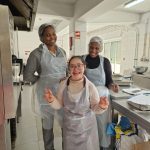
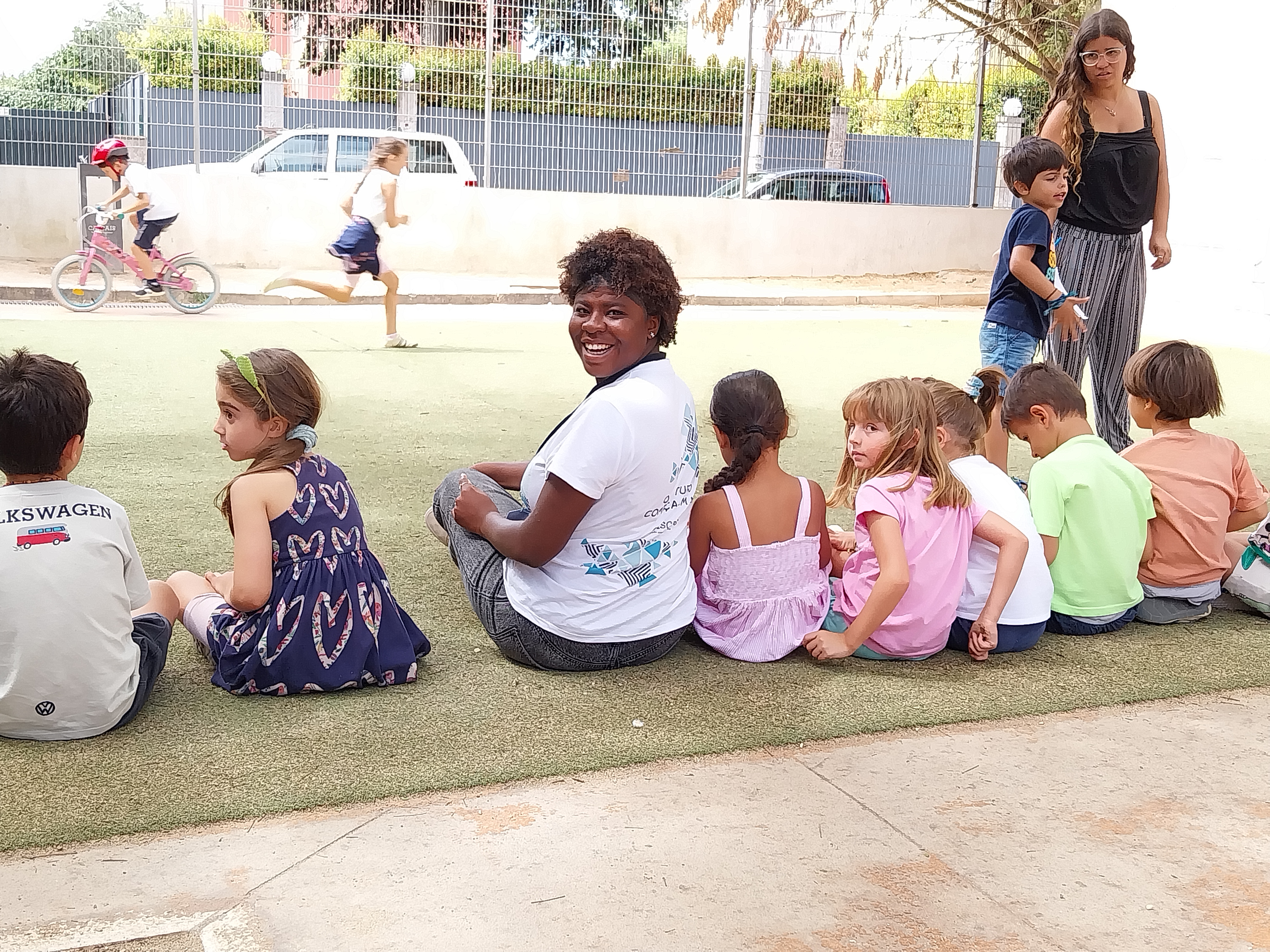
PIIC-me replaces predefined institutional pathways with genuinely personalised support, backed by a network of 28 partner organisations. Each participant is guided by a dedicated case manager, exploring pathways at their own pace: inclusive volunteering, vocational training, employment, community activities such as dance and adapted surf, or structured inclusion centre responses. Support is not time-limited, lasting as long as the person needs it. A newly created role of inclusion mediator bridges the gap between individuals and community settings, fostering connection, confidence, and a sense of belonging that institutional care rarely provides.
THE ONLY PROJECT OF ITS KIND IN PORTUGAL
Since 2023, 74 young people have been supported across flexible, evolving pathways: 32% in inclusive volunteering, 26% in vocational training, 19% in employment, 7% in community activities, and 19% in structured inclusion centres. Currently the only project in Portugal offering such personalised and flexible pathways, PIIC-me reduces dependence on institutional responses, prevents social isolation, and contributes to European targets for the inclusion of people with disabilities and deinstitutionalisation. Recognised with an Honourable Mention at the Portuguese Volunteer Award, it is attracting growing interest from municipalities across Portugal seeking to replicate its model.