The Swedish Wool Initiative is proving that what was once treated as waste can become the foundation of a more circular, resilient, and locally rooted industry.
CREATING VALUE FROM AN OVERLOOKED RESOURCE
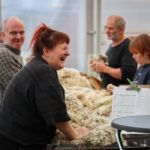
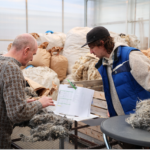
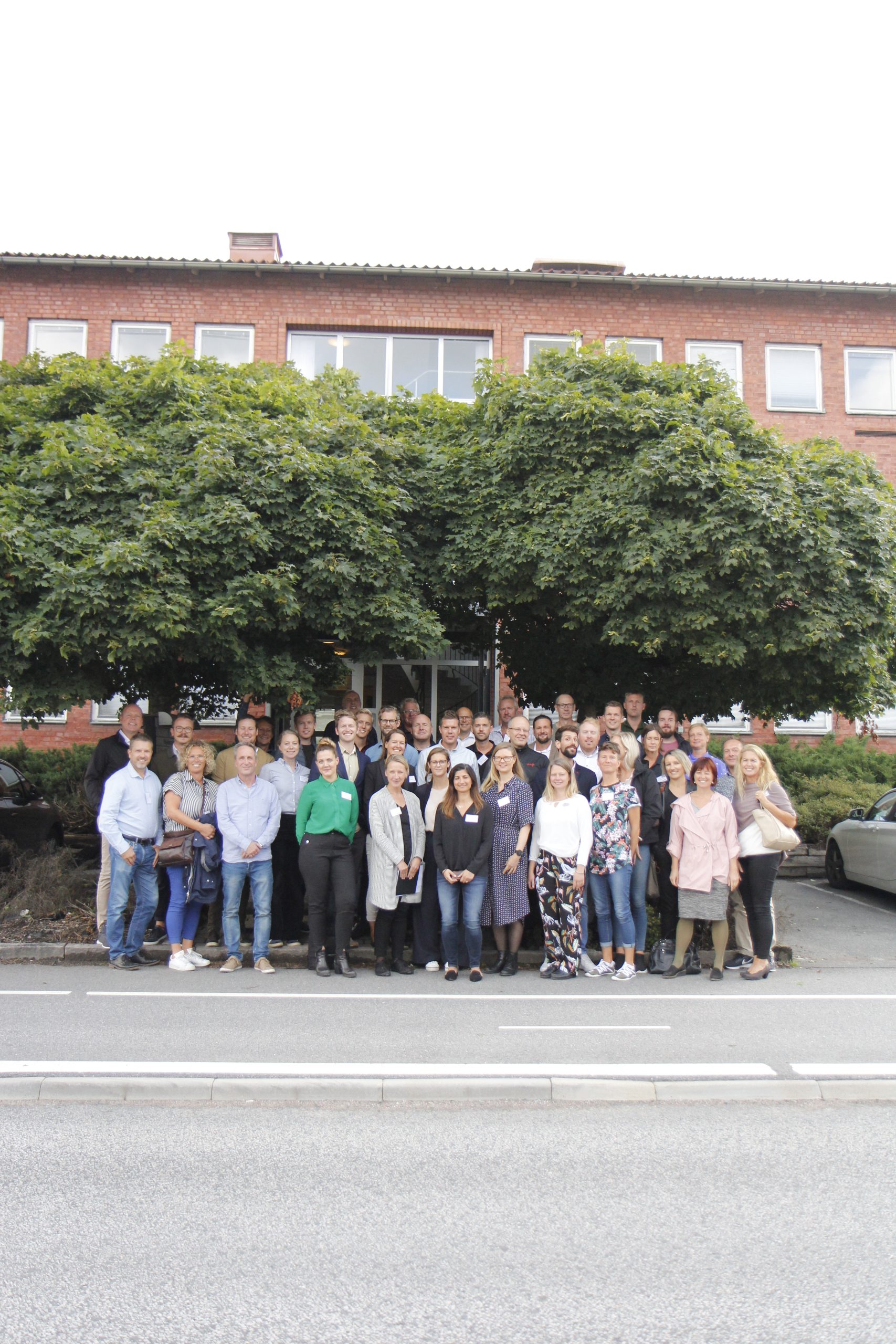
Although Sweden produces around 1,000 tonnes of wool each year, much of it has traditionally been burned or discarded, while large volumes of processed wool are imported. To address this imbalance, the Swedish Wool Initiative brought together more than 20 partners from across the value chain, including farmers, designers, fashion brands, researchers, and manufacturers. Coordinated by Axfoundation and Dalarna Science Park, the initiative has worked since 2020 to create the systems needed to make Swedish wool a viable and sustainable resource.
BUILDING A CIRCULAR WOOL ECOSYSTEM
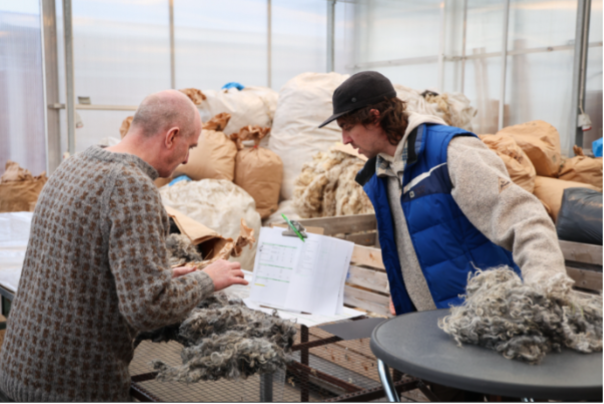
The initiative tackles the challenge of wool waste through collaboration, shared standards, and new market opportunities. It developed Sweden’s first national wool classification system, the Swedish Wool Standard, and established a regional collection hub in Dalarna designed for replication. Competing companies joined forces to develop common infrastructure and create new uses for wool beyond fashion, including furniture, textiles, and insulation materials. More than 30 circular products have emerged, demonstrating the potential of wool as a resource rather than a waste stream.
STRENGTHENING RURAL COMMUNITIES AND INDUSTRY
The project has increased the utilisation of Swedish wool thirteenfold, creating new income opportunities for farmers and strengthening local value chains. Life cycle analyses show that Swedish wool has a lower climate footprint than imported alternatives, while the Dalarna collection model is attracting interest across the Nordic and Baltic regions. Five policy recommendations aimed at procurement, investment support, and producer responsibility provide a foundation for securing long-term growth and resilience, offering a model for circular agriculture and sustainable manufacturing.